
How much weight can a metal roof withstand
29 August, 2025
Metal roofs are renowned for their high performance, providing properties with a broad range of invaluable benefits.
They are an extremely popular investment amongst property owners, with options available to suit properties of all shapes, sizes, styles and requirements.
One of the most common questions that our roofing installation team gets asked is, how much weight can a metal roof withstand?
So, to help you determine whether a metal roof offers the right fit for you and your property, keep reading. Below, our experts have shared a complete guide for weight limits for metal roofs.
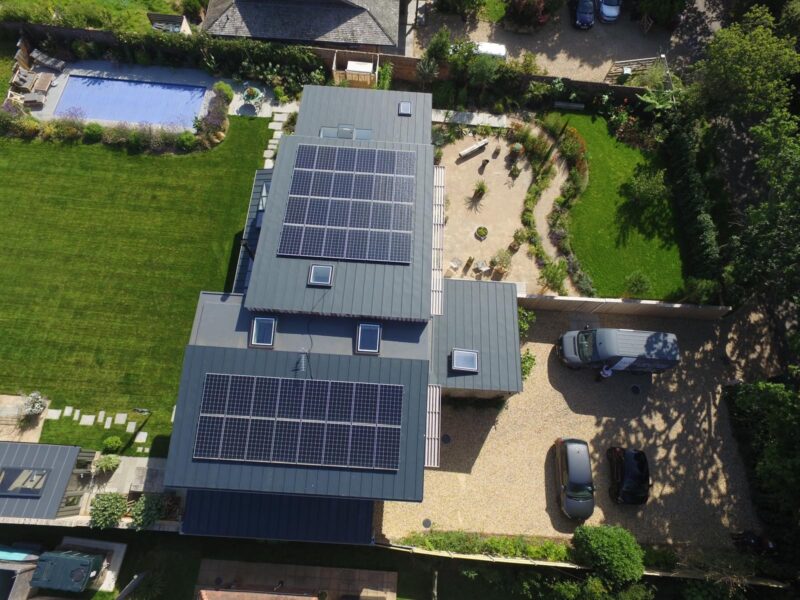
What can influence the load capacity of a metal roof?
While metal roofs are renowned for their strength and durability, there are limits to their load capacity.
A number of different factors can influence the load capacity of a metal roof. The key points to consider here include:
- The pitch of the roof – The steeper the roof, the more likely that natural weights (like snow, rain, etc) will drop straight off. However, for flatter roofs, there is a greater risk of weight building in this area, which may mean that the roof needs to have greater structural capacity to compensate for this.
- The thickness of the metal – The thicker the metal, the stronger it will be. This includes the thickness of the underlying supporting structure.
- The structural supports – How the structural supports are distributed (the distance between each) impacts the roof’s load distribution, with closer structural supports achieving higher strength levels.
- The type of metal – Different types of metals naturally offer different strength levels.
- The age and condition of the roof – With newer roofs in good condition offering the highest levels of strength.
- The typical climate – For roofs in properties that are commonly exposed to extreme weather (particularly rain and snow), higher strengths levels are advised.
Distributed loads VS Concentrated loads
These terms denote the different ways that weight can be applied to a roof.
- Distributed loads are when weight is spread across a roof evenly. As the weight is shared over a larger area, this type of weight is usually easier for a roof to bear.
- Concentrated loads are when weight is applied to a smaller area. For example, when someone stands on the roof. When weight is concentrated in a smaller area, in this way, more support is required.
Safety considerations when working on metal roofs
Different load types are a critical point to consider, when it comes to safely working on metal roofs.
Based on the information above, best practices for working on metal roofs include:
- Minimising the pressure you place on the roof panels – E.g. by stepping on roof rafters and structural supports where possible.
- Wearing fall protection equipment at all times.
- Being extra careful in wet conditions, or during colder spells.
- Keeping an eye out for any signs that the roof is bearing too much weight – These include creaking, deformation or sagging. If you spot any of these signs, immediately get down from the roof, and call a metal roofing specialist.
Standard load limits for metal roofs
Although the exact load limits vary based on the specific product, general guidelines for metal roof load limits are as possible:
- Live load capacity – 20-30 lbs per square foot (psf).
- Snow load requirements – 40-70 psf.
- Dead loads – This is the roof’s own weight, plus any other permanent fixtures present. This will all be determined and fixed during the design phase.
Please note, all of these figures will vary, based on the roof design, building codes, and the other factors that we outlined above.
By working with a specialist metal roofing contractor, you will receive a detailed breakdown of all the load limits for your metal roof, and they will ensure that your roof has more than enough capacity to withstand all the weight that it will be exposed to within its lifespan.
At Salmon Solutions, we are one of the UK’s leading suppliers and installers of metal roofing.
So, if you would like to find out more about metal roofing, or get a quote for your property, speak to our expert team today.


