
What are the different types of Metal Cladding Systems?
4 March, 2022
Metal is one of the most popular materials to be used in cladding systems, and it’s easy to see why.
Metal cladding is ideally suited to this task, thanks to its impressive durability, weather resistance, light weight, malleability, and bold, modern design.
In everything from design to insulation, metal cladding offers property owners a huge range of different benefits.
For cladding installers, metal cladding is incredibly easy to work with, making metal cladding installation fast, efficient and cost effective, with a consistently flawless finish.
In this guide, we’ve listed the most popular systems, materials and finishes for metal cladding, outlining the benefits of each option. This way, you can choose a cladding system that perfectly fulfils all the unique needs of your property.
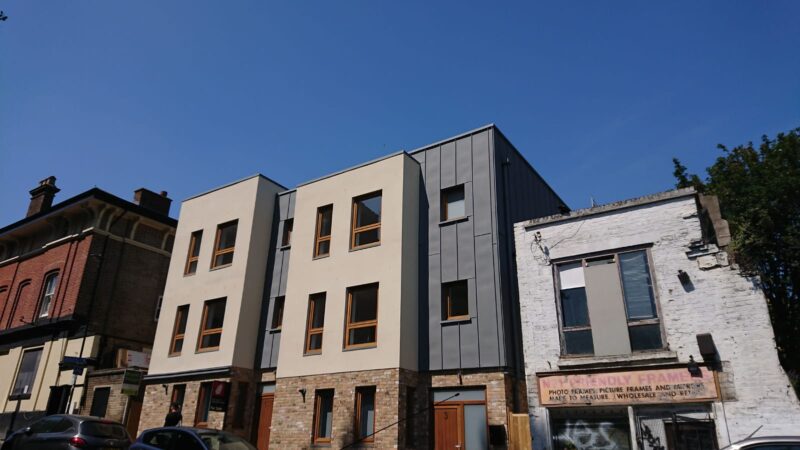
Systems for Metal Cladding
Metal cladding works by connecting multiple metal panels together, before attaching it to the outermost layer of the building.
There are a number of different metal cladding systems to choose from, each one possessing its own range of specialist benefits.
The most popular metal cladding systems, each of which are offered by Salmon Solutions’ expert team, are:
Flatlock cladding
For this approach, metal panels are tightly locked together, forming a thin cladding layer. One of the major benefits of flatlock cladding is that it allows users to create a repeating tile pattern of their choice.
Snaplock cladding
This type of cladding is particularly quick and easy to install. The two metal panels simply ‘snap’ together, without the need for any equipment or other sealing methods.
Interlocking cladding
Interlocking cladding features express joints, adorning the property’s exterior with a series of uniform, bordered metal sheets. These are available in a wide range of different sizes, achieving a simple yet dramatic appearance.
Cassette cladding
This type of cladding is especially designed for buildings with a large surface area. In fact, cassette cladding can use metal panels up to 13 feet long. These panels are attached together using invisible clips, creating the effect of a seamless, single sheet of metal.
Standing seam cladding
This uses concealed fixing between its metal panels. This gives it an extremely high level of strength, while giving the property’s exterior a smooth, flawless metal finish.
Custom cladding
Upon request, the Salmon Solutions team can work with you to design a bespoke metal cladding solution for your property.
Different Materials for Metal Cladding
Thanks to the efficiency and ingenuity of this cladding procedure, metal cladding can feature a wide range of different metals.
When choosing the type of metal to use for your cladding, there are a number of factors that you’ll need to consider, including durability, the size of your building, the aesthetic you want to create and your budget.
To help you narrow down your options, here are the most popular metals to use in metal cladding:
Zinc
Zinc is an exceptionally durable metal. Although it is more costly than other metals, it represents a fantastic investment. Zinc is entirely resistant to weather, corrosion and UV. In fact, it is even entirely scratch-resistant, as it has the ability to self-heal any surface damage. This remarkable property means that zinc is also very low-maintenance.

Aluminium
Aluminium is a very popular choice for metal cladding, as it is super lightweight, while still being very strong. It is rust and blister resistant, however, aluminium can corrode, scratch or dent more easily than other metals. As a result, aluminium cladding will require regular maintenance.

Copper
Copper is lightweight, strong and durable. Copper cladding is probably best known for its characteristic green colour, which develops over time. What’s more, it is also a completely recyclable building material, even if the cladding has been installed on the property for many years. However, it is important to note that copper is one of the most costly options for metal cladding, so this will need to be considered alongside its benefits.

Stainless steel
Stainless steel cladding is resistant to corrosion and rusting, which gives it a high level of weather resistance and durability.
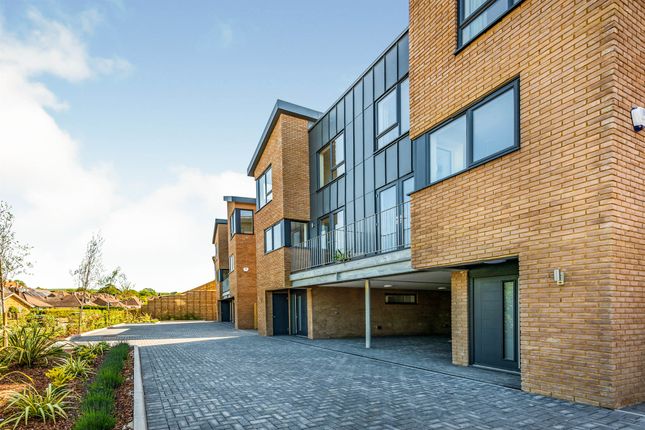
Galvanised steel
Galvanised steel differs from other types of steel, as it has a thin zinc coating. This gives the steel an extremely high level of strength and resistance, as zinc’s impressive properties are transferred to the steel, while still keeping the cladding at a lower price point.
Performance
The primary trend, across all of the metal types listed above, is an impressive performance level.
Metal cladding boasts a huge range of benefits, most notably its strength, durability and high resistance to weather, corrosion and general wear-and-tear. As you can see, metal cladding is an investment that, if taken care of correctly, will last you for many years to come.
However, the key ‘but’ here is the importance of maintenance. As we mentioned above, different types of metals have different maintenance needs. It is imperative that you are fully aware of the requirements of your chosen cladding.
Otherwise, you could run into costly problems, which would mean your cladding doesn’t complete its full lifespan. And equally, even if you like the look of a certain variety of metal, your top priority will, inevitably, be that your cladding meets all of the performance requirements for your building.
So, in terms of performance, the key points that you need to be aware of are:
Durability
Different metals have different levels of resistance to weather, wind, corrosion and UV. So, the level of durability that you require may determine the type of metal that you choose.
Scratch resistance – some metals are extremely resistant to scratches, while others are a lot softer and more prone to dents.
Sustainability
Some types of metal are more sustainable than others. Some are rarer and more difficult to source, or create more emissions in their production. So, this is an important factor to weigh up.
Fire safety
While all metals are relatively fire resistant, some metals achieve a higher safety rating than others. Furthermore, you will need to calculate your fire safety rating based on how your choice of metal cladding is affected by the other materials present in your building.
Contraction and expansion
There are some metal types that can change size in different climatic conditions. So, you will need to ensure that the type of metal is specified to your cladding constructor in advance, so that these measurements are accounted for.
Finishes
Now that we’ve covered metal types and performance, it’s time to tackle the matter of aesthetics.
With your chosen finish, you can give the metal cladding a final custom touch, which speaks to the signature style of you and your property.
The most common choices of finishes for metal cladding are:
Mirrored
This finish gives your metal cladding a polished and highly reflective appearance. However, note that you’ll need to schedule in regular upkeep, in order to keep this finish maintained.
Sand-blasted
This gives the metal a matte finish, which is clean and extremely smooth. However, take note that if you choose to sand-blast steel cladding, you will need to add a protective layer, to prevent rusting.
Powder-coated
Similarly to sand-blasting, power-coated cladding has a matte finish, but this process gives the bright colour and an additional layer of protection.
Brushed
Unlike the consistent matte finish of sand-blasting, brushed metal cladding gives the appearance of a grain going in one uniform direction. And, the effect can be as subtle or dramatic as you like.
Engine-turned
This process gives the metal cladding an intricate pattern of geometric shapes, which is imprinted onto the cladding sheets.
At Salmon Solutions, we specialise in delivering premium metal cladding, to a flawless finish. Our extensive industry experience means we have the knowledge and equipment required to work with any project, any property and any cladding request.
So, if you have any questions about our metal cladding services, get in touch with the Salmon Solutions team today.


